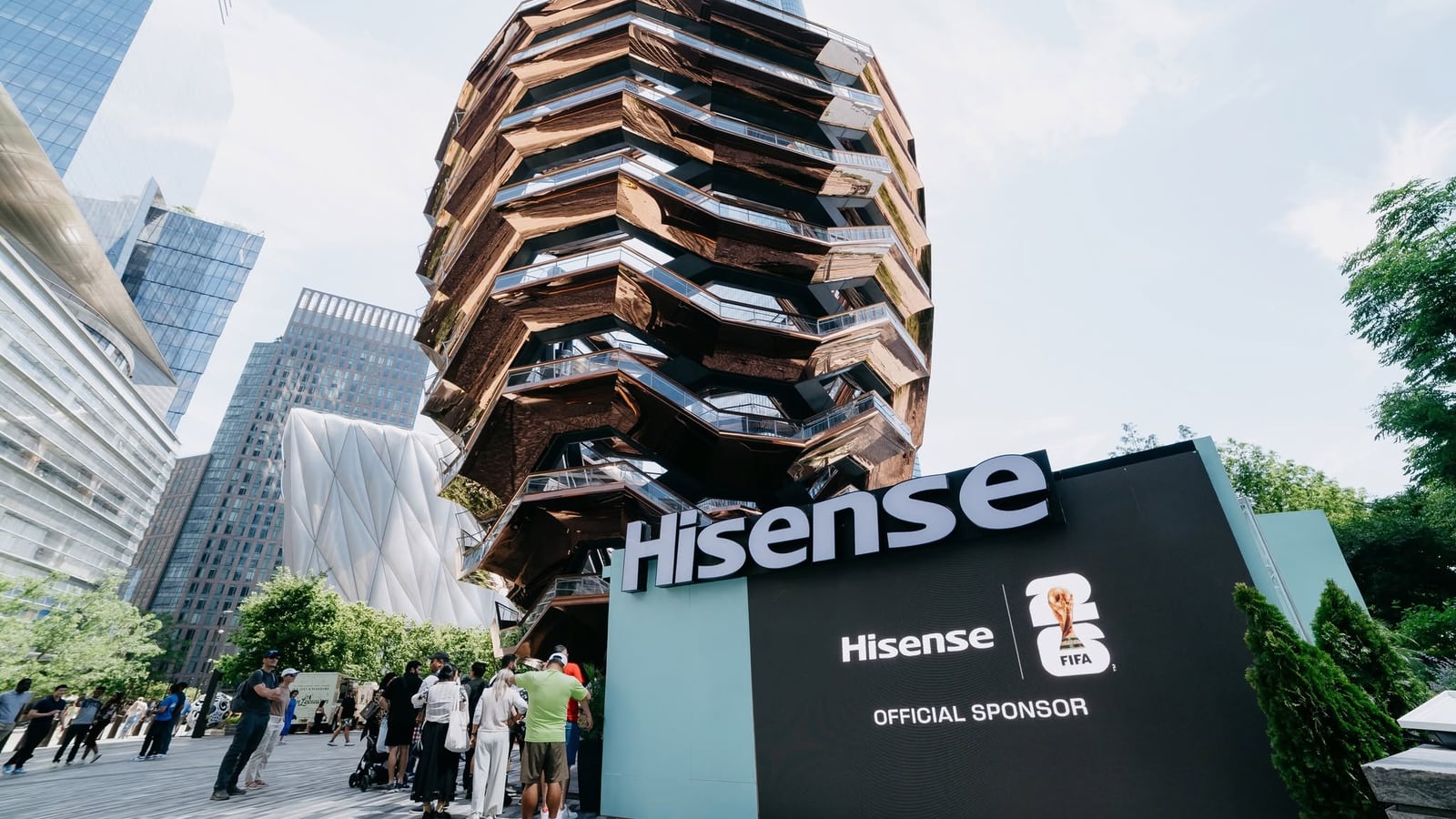
Hisense
New York, in full colour
Four interactive installations
Creative technology studio
Interactive installations, kinetic art and immersive brand experiences.
Explore our work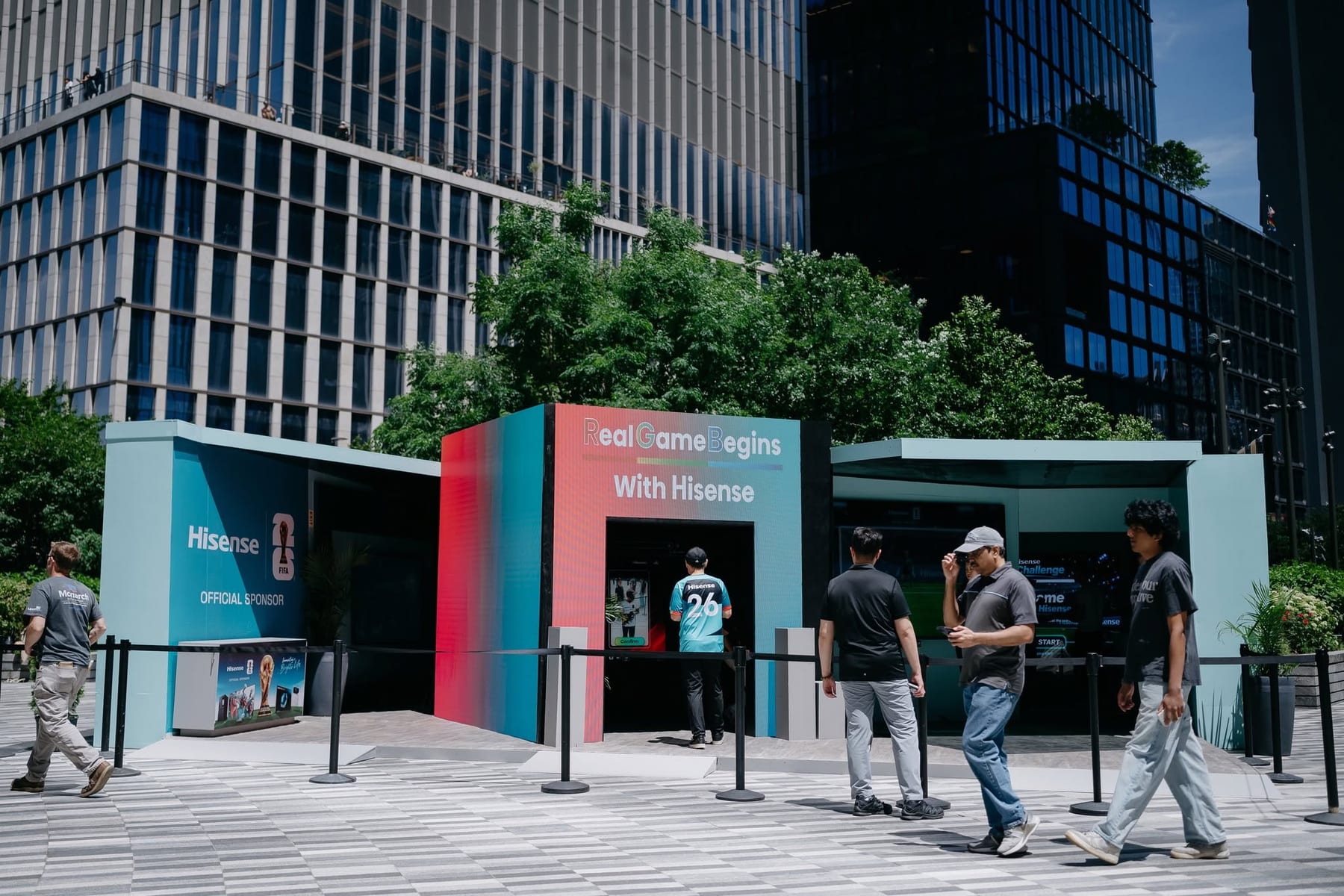
01 /What we do
MLABART is a creative technology partner for brand experiences, specializing in AI-driven and generative-AI interactions, kinetic mechanical installations, immersive art exhibitions, digital exhibition halls and naked-eye 3D. From concept and technology to on-site delivery, MLABART builds shareable, experiential brand moments for beauty, luxury and automotive brands across pop-ups, launches, exhibitions and activations.
A selection of our work
Four interactive installations
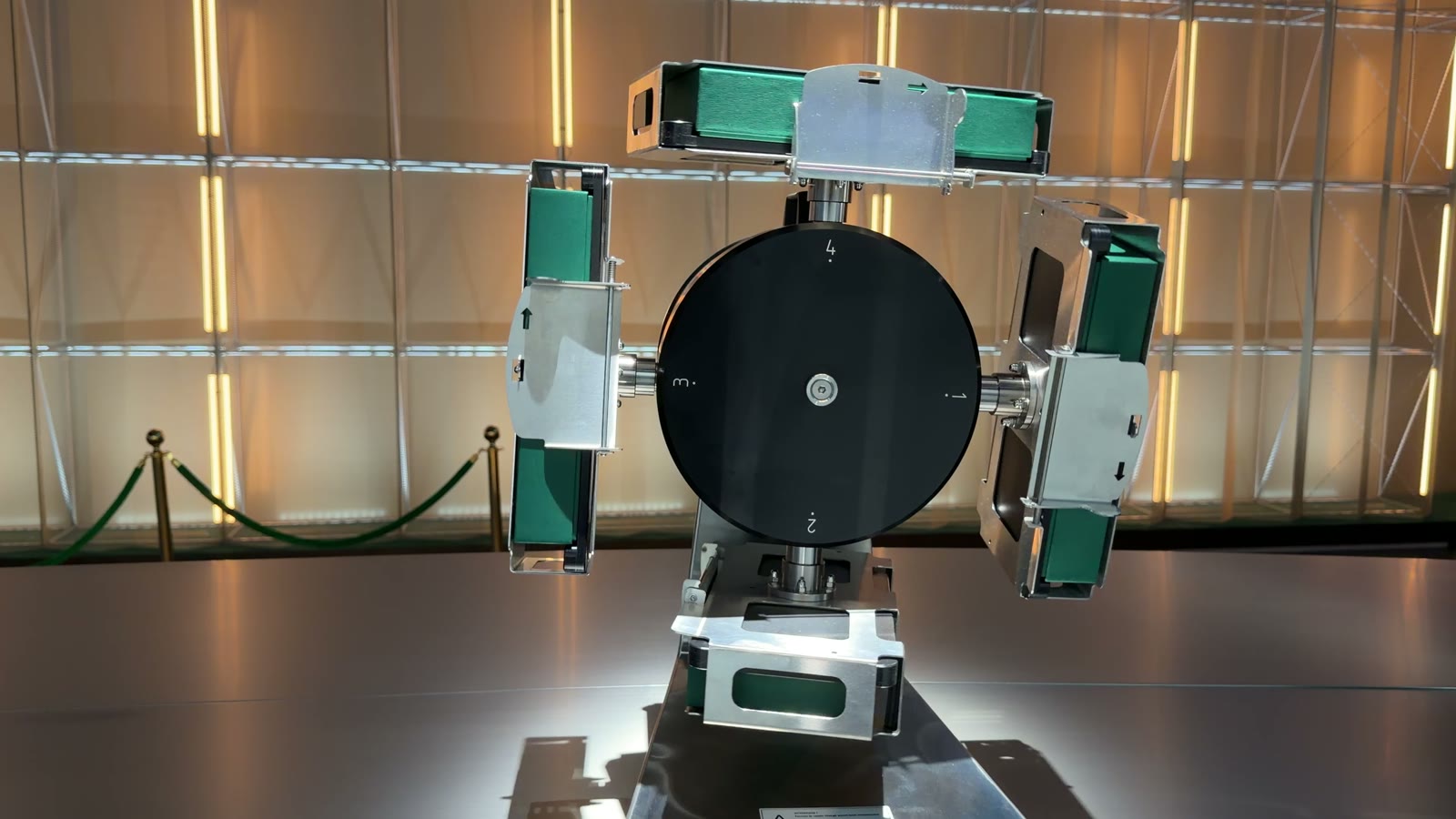
Kinetic sculpture
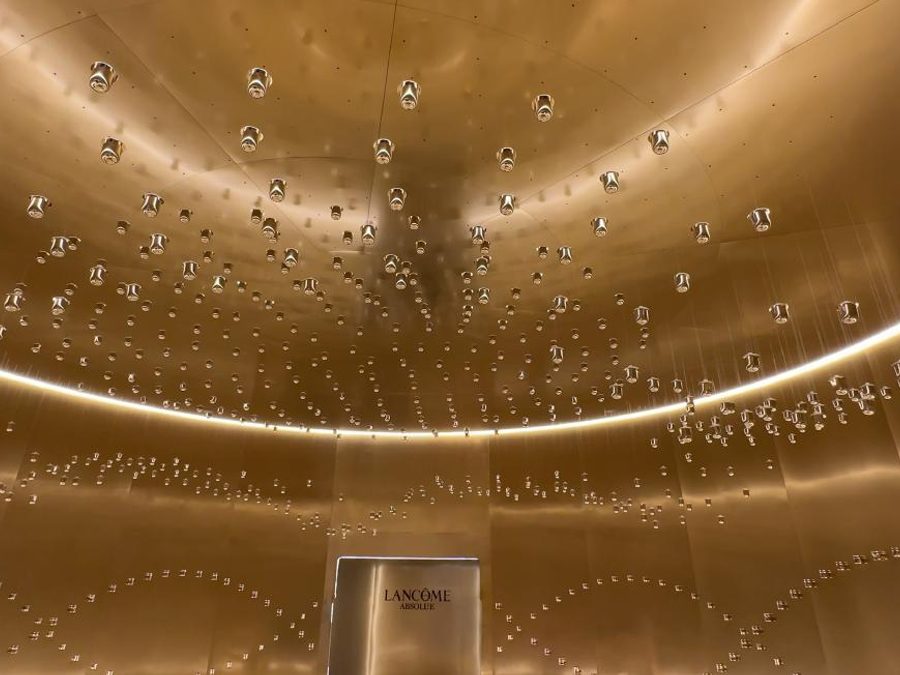
Mechanical matrix
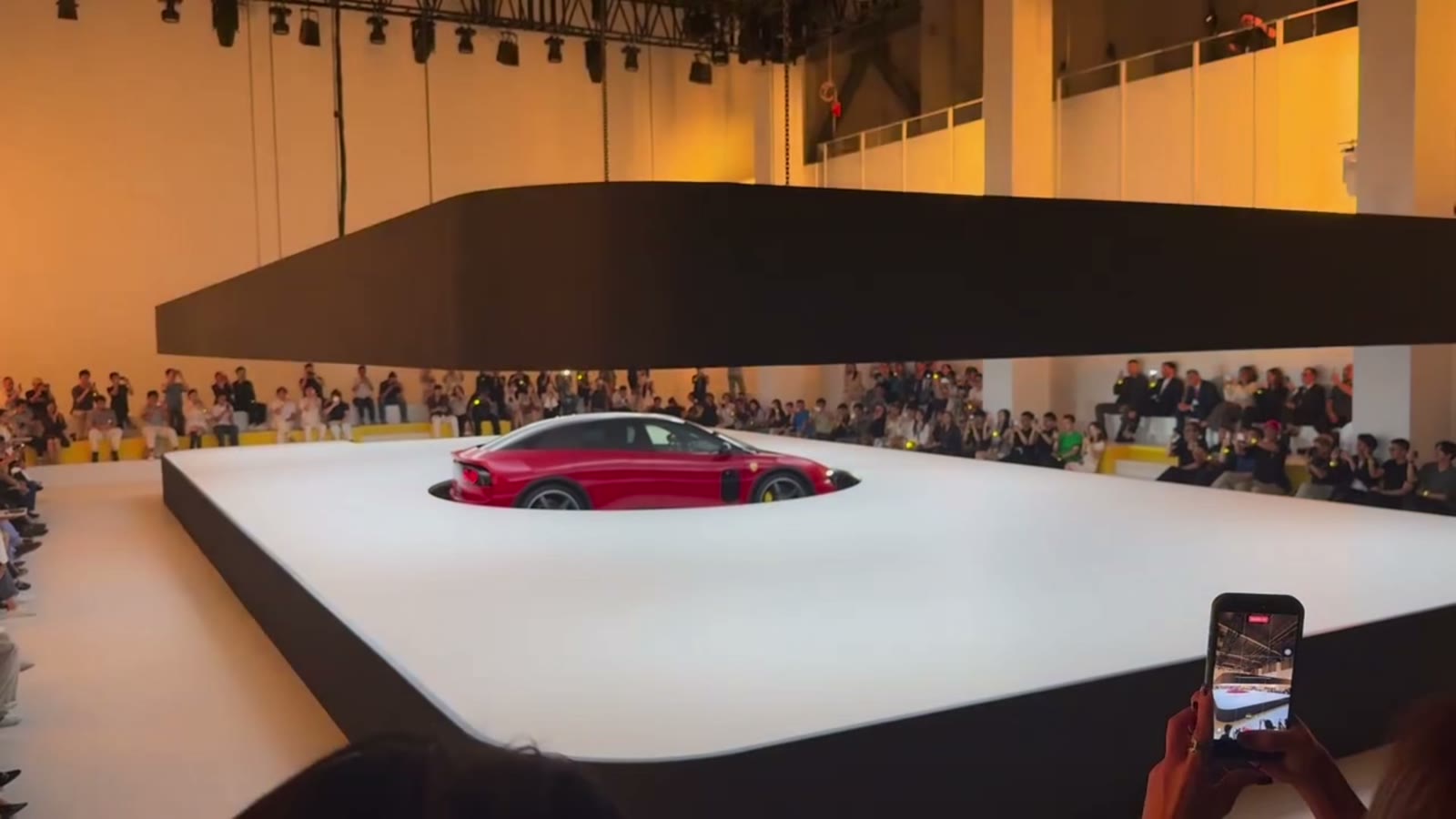
Mechanical LED stage
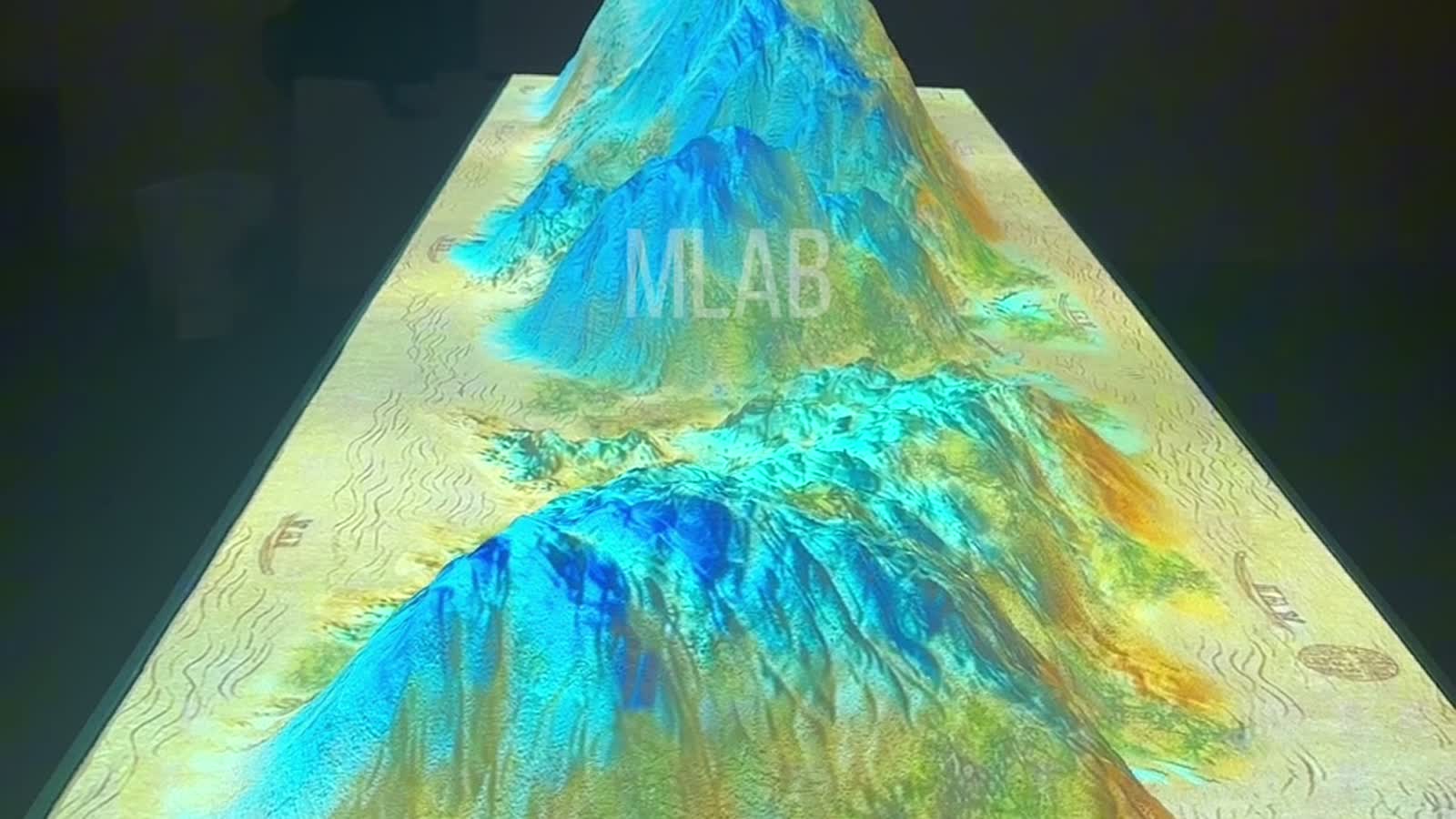
Projection-mapped terrain
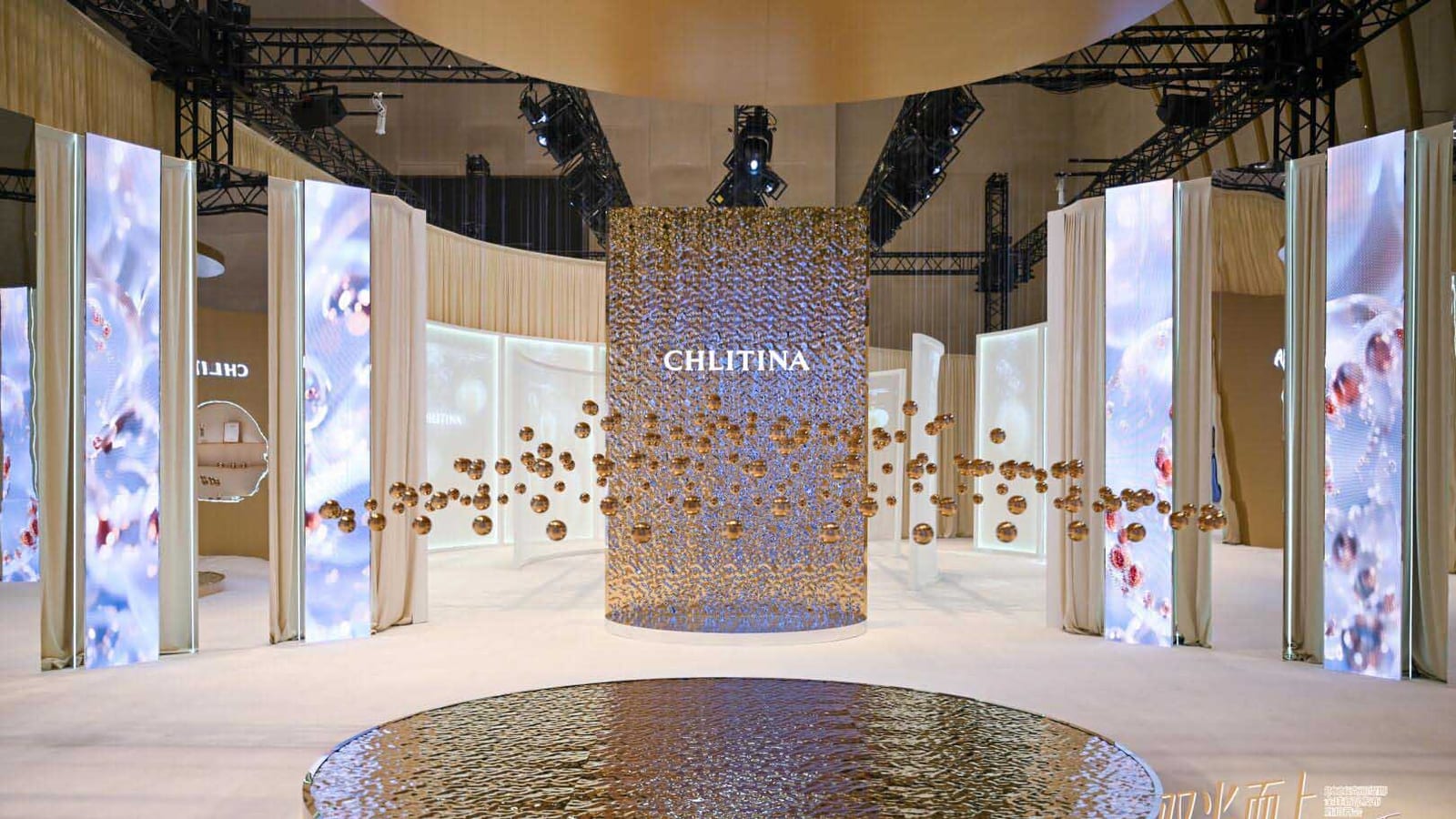
Kinetic & interactive environments
Selected brands we’ve worked with
CHAUMET · 寶格麗 BVLGARI · Cartier · CHANEL · 阿瑪尼 ARMANI · LANCÔME · NARS · CPB · 歐萊雅 · 科顏氏 · Charlotte Tilbury · 雅詩蘭黛 · NISSAN · 保時捷 · 路虎 · 迪桑特 · 李寧 · 騰訊 · 阿里巴巴 · 支付寶 Alipay · 銀聯 · 蔡司 ZEISS · 西門子 · 三星 · LG · 美的 · 科沃斯 · 芝華士 · NBA · 三麗鷗 · 禾賽科技 · 故宮 · 上海科技館
02 / Our expertise
A creative technology partner for brands and agencies. We connect software, content and physical systems to build experiences that work in the real world.
Precision movement. Physical presence. Installations that turn engineering into a brand experience.
AI photography, motion sensing and playful interactions that invite people to take part.
Projection, light and digital content that transform how a space is experienced.
Immersive brand art experiences that fuse space, projection, light and interaction into shareable, photogenic moments (CHAUMET, Cartier Trinity 100, CHANEL N°1).
Motion, radar, camera, facial-recognition and AI-photo installations that turn visitors from spectators into participants and add shareable touchpoints.
Multimedia digital exhibitions and interactive exhibits for corporate showrooms, science museums and museums (Shanghai STM, Hesai, Palace Museum × Tencent).
Naked-eye 3D big-screen content and generative-AI interactions that create strong visual memory points.
Light art and audiovisual kinetic installations for on-site atmosphere and mechanical motion visuals.
Mechanical interactive installations are MLABART’s signature capability — rotating and telescopic screens, kinetic matrices, Newton’s-cradle and transit-pendulum pieces (Siemens, Bvlgari, LANCÔME, Samsung, LG).
Explore all solutions ↗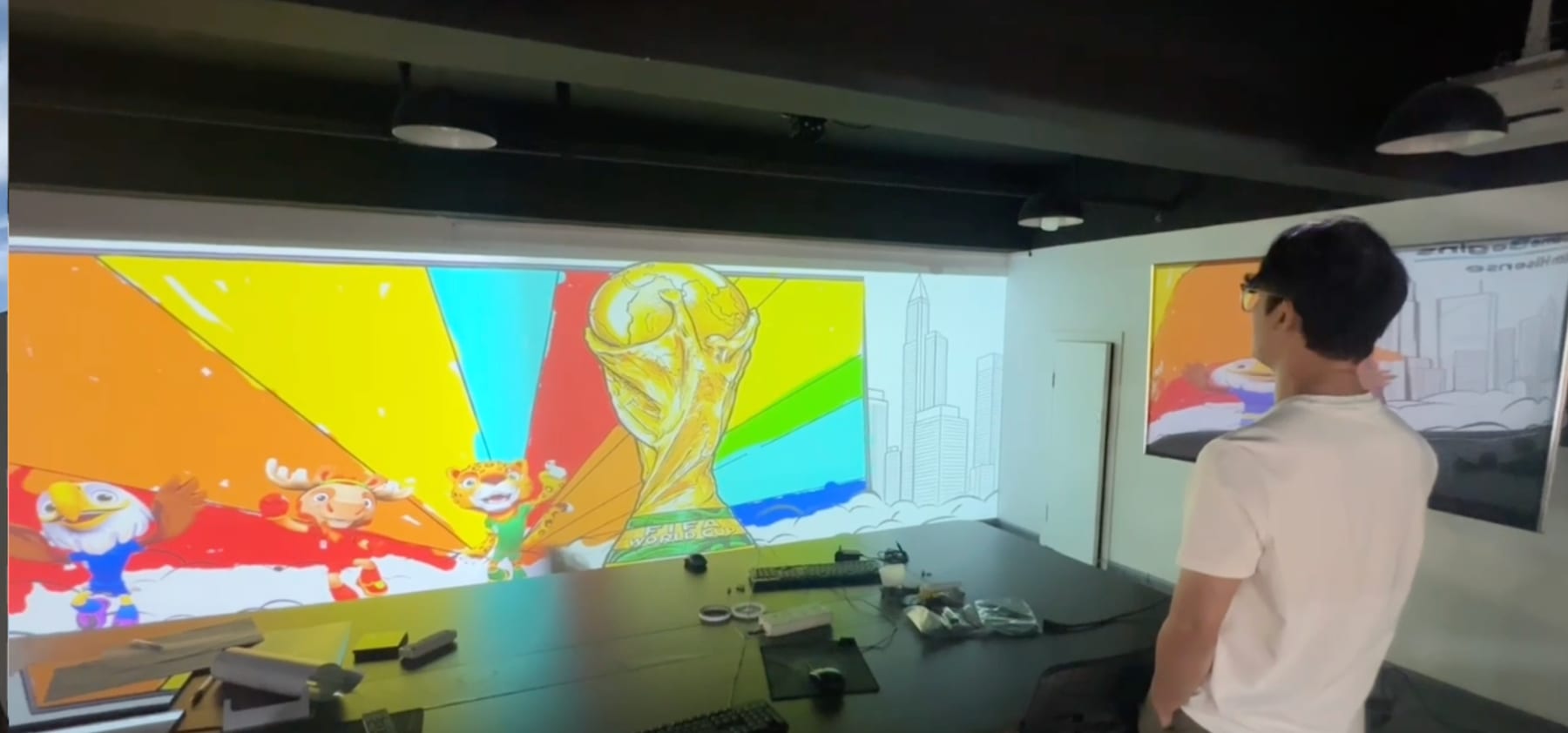
From the workshop to the world
Software, content, fabrication and system integration. Factory-tested in China, with on-site installation and technical support for international projects.
Inside our New York project03 / Ideas & perspectives
Planning your next project
Interactive installations are quoted per project, based on interaction complexity, equipment, on-site scale and timeline — from a single piece to a full immersive experience. Share your scenario and budget range and MLABART will propose a matching concept and quote.
A typical pop-up interactive project runs about 4–8 weeks from confirmation to delivery, covering concept, technical development, fabrication and on-site build; large immersive shows take longer (8–12+ weeks). The earlier you talk to us, the easier scheduling is.
Beauty, automotive, FMCG and luxury brands that value social sharing — for launches, pop-ups and mall activations. Facial recognition and generative visuals create shareable content and extra touchpoints.
Radar interaction senses position and motion via mmWave/LiDAR — light-robust, privacy-friendly, ideal for large spaces and floor interaction. Camera interaction uses vision recognition for faces, gestures and poses — better for precise, close-range content.